Into the Wild Heart of Karnataka – Nagarahole National Park
By ADITI [02/May/26] Tucked in the Western Ghats of Karnataka, this national park is one of India’s finest wildlife sanctuaries. It’s not always on every traveller’s shortlist - and honestly, that’s what makes it so special. Unlike the more crowded tiger reserves, Nagarahole still has that raw, undisturbed quality that serious wildlife enthusiasts love. Whether you’re a seasoned birder, a first-time safari-goer, or someone who simply wants to see a wild elephant in its natural habitat - this place delivers.
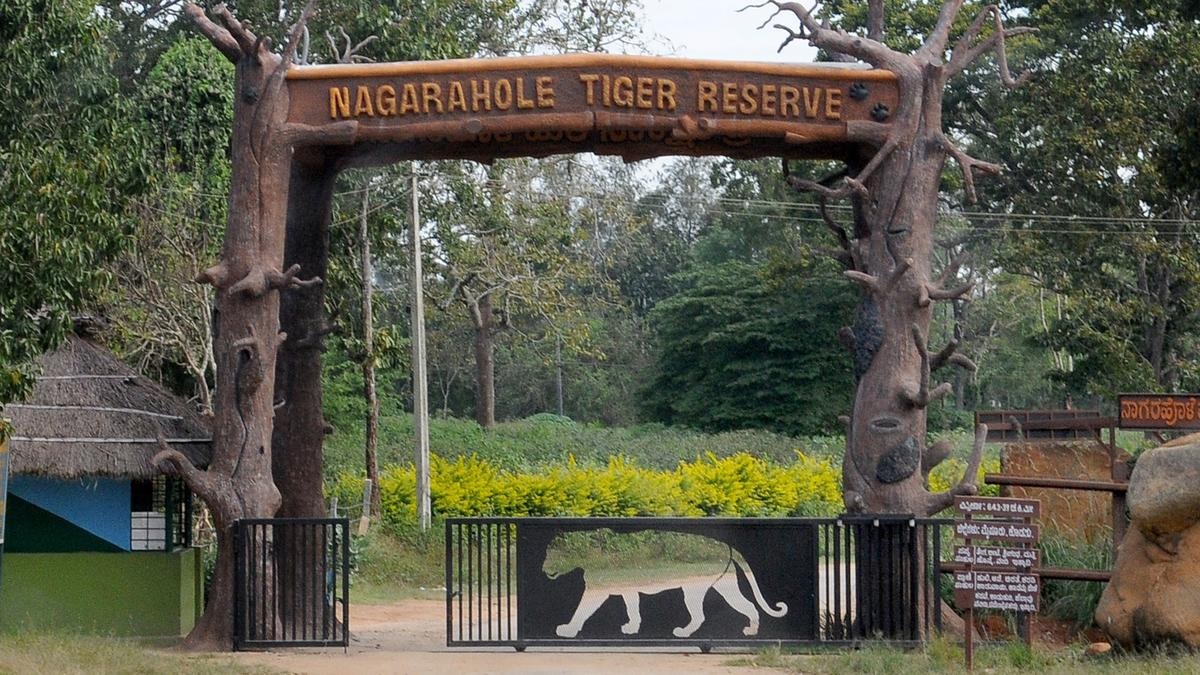
About Nagarahole National Park
Nagarahole, officially known as Rajiv Gandhi National Park, covers around 643 sq km in the Kodagu and Mysuru districts of Karnataka. It sits at the edge of the Nilgiri Biosphere Reserve - one of the largest and most ecologically significant forest blocks in Asia. The national park was declared a wildlife sanctuary in 1955 and later elevated to national park status in 1988. In 1999, it was included under Project Tiger, making it a protected tiger reserve. Today, it’s home to one of the densest tiger and elephant populations in South Asia. The Kabini River runs along the southern boundary of the park, creating a stunning natural border with Bandipur National Park. This river is the lifeline of the ecosystem - during the dry season, animals gather here in extraordinary numbers.
About Nagarahole National Park
The Safari Experience
This is where the magic really happens. Nagarahole offers two types of safaris - jeep safaris and bus safaris - each with a very different feel.
JEEP SAFARI
The jeep safari is the more immersive option. Small groups, a trained naturalist, and the freedom to pause and observe without the noise of a larger vehicle. Most serious wildlife photographers and enthusiasts prefer this. Planning a Nagarahole National Park safari booking in advance is strongly recommended, especially between October and May when the park is at its busiest. Jeep safari spots fill up fast — sometimes weeks ahead during peak season.
BUS SAFARI
The government-run bus safari is a more affordable option and works well for families or large groups. It covers a fixed route through the forest with a driver and forest guide on board. You won’t get the same flexibility as a jeep, but you’re still inside some of the best tiger habitat in India.
SAFARI TIMINGS & ZONES
Morning safari: 6:30 AM – 9:30 AM Evening safari: 3:00 PM – 6:00 PM The park has two main entry zones: Veeranahosahalli (north) and Antharasanthe (south, near Kabini). The Kabini zone is generally considered more rewarding for wildlife sightings, particularly near the Kabini reservoir backwaters. Tip: Morning safaris near the waterhole areas give you the best chance of tiger and elephant sightings in summer months.
BOOKING TIPS
Final Thoughts
Nagarahole is the kind of place that stays with you. Long after the trip is over, you’ll find yourself thinking about the way the mist rolled over the Kabini at sunrise, or that moment when the jeep went quiet and everyone held their breath. It’s not just a wildlife park. It’s a reminder that wild India still exists - and it’s worth every effort to experience it. Don’t wait for the perfect time. Start planning, pack light, and let the forest do the rest.

