By JAGAT SINGH [24/Feb/2026] Nagarahole National Park is a beautiful forest reserve located in Karnataka, close to the Western Ghats. For people who love nature but have limited time, Nagarahole is a great choice for a short wildlife escape. A weekend trip here offers a good mix of safari rides and quiet forest moments. You do not need many days to enjoy the main highlights of this park. A well-planned safari-based itinerary helps visitors experience the forest at its most active hours. From early morning drives to evening jungle scenes, each part of the day brings a new mood and fresh chances to spot wildlife. With organised safari routes and forest rules in place, visitors can enjoy the jungle in a safe and peaceful way. This makes Nagarahole perfect for a quick but meaningful wildlife trip. Many travellers choose Nagarahole tour packages for short trips because they are designed around safari timings and forest rules.
Best Time for a Weekend Safari Experience
Wildlife movement in Nagarahole changes with the seasons. During summer, animals come out more often to drink water, making sightings easier. In the monsoon months, the forest becomes thick and green, but animal movement is harder to track because of heavy vegetation. Winter offers pleasant weather and comfortable safari conditions. The best months for a short trip are from October to May, when forest roads remain open and animal activity is higher.
Activities to Do During a Nagarahole Weekend Safari
• Jeep safari • Birdwatching • Wildlife photography
Nagarahole also holds importance as an Indian national park that follows strict conservation practices. Its balanced approach between tourism and wildlife protection makes it suitable for quick wildlife holidays without harming the forest ecosystem.
Day 1 - Arrival and First Safari Experience
On the first day, visitors usually arrive near the forest region by late morning or early afternoon. After reaching the safari zone, entry formalities are completed at the forest gate. These include identity checks and vehicle registration. Once inside, the forest atmosphere feels calm and fresh. The evening safari is the main activity of the day. As the sun begins to set, animals slowly come out of hiding. Deer, elephants, wild boars, and monkeys are commonly seen during this time. The forest light turns golden, creating beautiful views for photography. This safari helps visitors understand the forest layout and prepares them for the next day’s deeper exploration.
Day 2 - Full-Day Wildlife Exploration
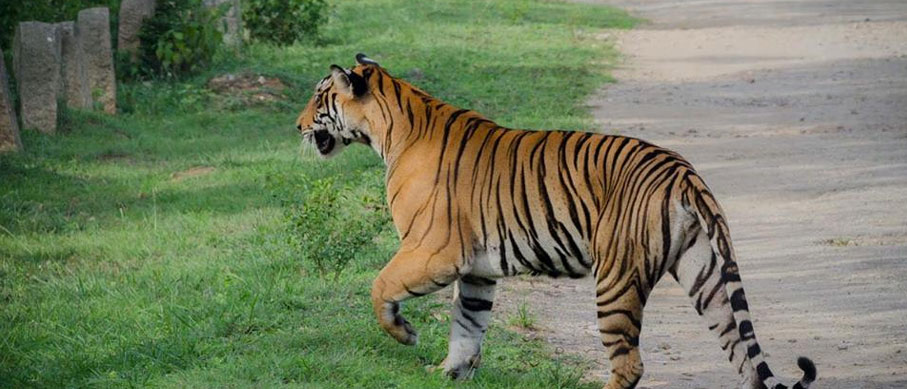
The second day starts early with a morning safari. This is the best time to see wildlife because animals are active and the forest is quiet. The cool air and soft sunlight make the drive pleasant. Visitors may spot herds of deer, birds, and sometimes even predators moving through the forest paths. After the safari, midday is usually kept for rest and quiet observation around the forest surroundings. In the afternoon, visitors can take part in simple nature-based activities that help them understand forest life and conservation. These activities are slow-paced and focus on learning rather than movement.
In the evening, another safari ride takes place. The forest looks different at this hour, with long shadows and cooler air. This safari adds a second layer to the wildlife experience of the day.
Day 3 - Final Safari and Departure
The last day begins with an early morning safari. This is often the calmest part of the trip. The forest feels fresh and quiet, and bird activity is at its peak. This time is ideal for photography and peaceful observation. Visitors usually spend extra time watching smaller animals and listening to forest sounds.
After returning from the safari, the trip slowly comes to an end. By late morning, visitors prepare for departure, carrying memories of forest drives and wildlife moments. The short but well-planned weekend journey feels complete with this final forest visit.