By JAGAT SINGH [17/Jan/2026] Nagarahole National Park is one of the most ecologically rich wildlife reserves in southern India. Spread over nearly 640 sq. km, the national park lies between the Mysuru plateau and the Nilgiri mountain ranges. It is an important part of both Project Tiger and Project Elephant, which explains the strong conservation focus followed here. The forest supports a healthy population of elephants, tigers, leopards, wild dogs, sloth bears, gaurs, and sambar deer. The presence of dense teak and rosewood trees further strengthens the ecosystem. Apart from large mammals, Nagarahole is also home to over 270 bird species, making it a quiet paradise for nature lovers interested in an authentic Indian bird watching tour alongside a traditional wildlife safari. Nagarahole also shares forest boundaries with Bandipur National Park, creating a continuous wildlife corridor that allows animals to move naturally across regions. This strong ecological foundation is the reason why safari operations in Nagarahole are carefully monitored and occasionally restricted.
Why Safari Rules Changed and What It Means for Visitors
In recent months, safari activities in Nagarahole were temporarily suspended due to wildlife movement concerns and safety issues near forest boundaries. Complaints from nearby villages highlighted that late-evening safaris were disturbing animals. Vehicle noise and headlights after sunset were pushing wildlife closer to farmlands, increasing the risk of conflict. As a response, forest authorities cancelled safari trips after 6 pm from 28th October, 2025, and reviewed overall tourism pressure. Incidents involving wildlife near human settlements also led to a short-term closure of safari operations. While this affected tourism businesses around Nagarahole and Bandipur, conservation remained the priority.
After careful assessment, the Karnataka State Board for Wildlife recommended a phased reopening of safaris, although any specific dates are yet to be announced. An expert committee was proposed to evaluate how many safari vehicles the forest can safely handle. This indicates that future safari experiences will be more regulated, quieter, and better managed.
Safari Options in Nagarahole: Bus Safari & Jeep Safari
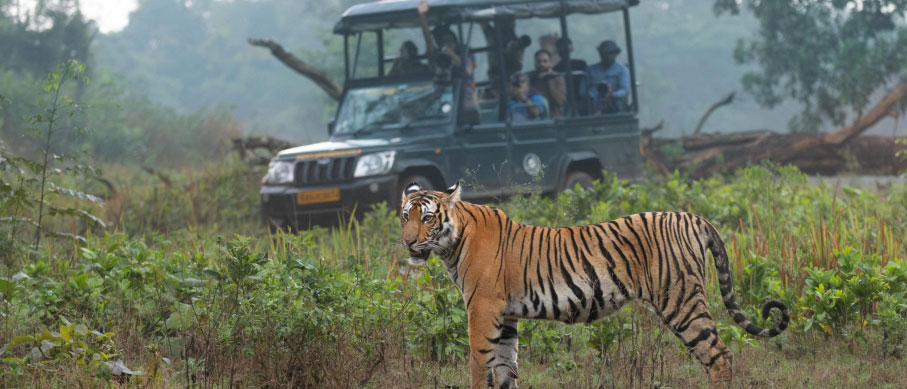
Once safaris resume, visitors will have two main options to explore the forest. Bus Safari • Operated directly by the forest department • Fixed routes and timings • Suitable for families and first-time visitors • Budget-friendly and safe Jeep Safari • Smaller vehicles with better flexibility • Preferred by photographers and wildlife enthusiasts • Quieter movement inside the forest • Higher chances of detailed sightings Both options follow strict forest rules, and neither guarantees wildlife sightings. The experience depends on timing, patience, and natural animal movement.
Tips for Planning Nagarahole Safari after Reopening
As safari slots may be limited after reopening, advance planning becomes important. Availability is expected to be controlled to reduce pressure on wildlife, especially during weekends and holidays. This is where checking official updates and planning early through Nagarahole safari booking online portals can help avoid last-minute disappointment.
Useful planning tips:
• Prefer early morning safaris for better wildlife activity • Avoid peak holiday dates if possible • Choose accommodation close to the entry gates to reduce travel stress • Keep at least one buffer day in your itinerary to avoid any rush.
Do’s and Don’ts for a Better Safari Experience
Following simple guidelines improves both safety and enjoyment: Do’s • Wear earth-toned or neutral clothes • Maintain silence during the safari • Listen carefully to guides and forest staff • Carry binoculars instead of relying on phones Don’ts • Expect guaranteed tiger sightings • Play music or speak loudly • Use flash photography • Litter or step outside designated areas These small actions help preserve the forest atmosphere and increase the chances of natural sightings.